How Gum Disease Starts (And the Early Signs to Watch For)
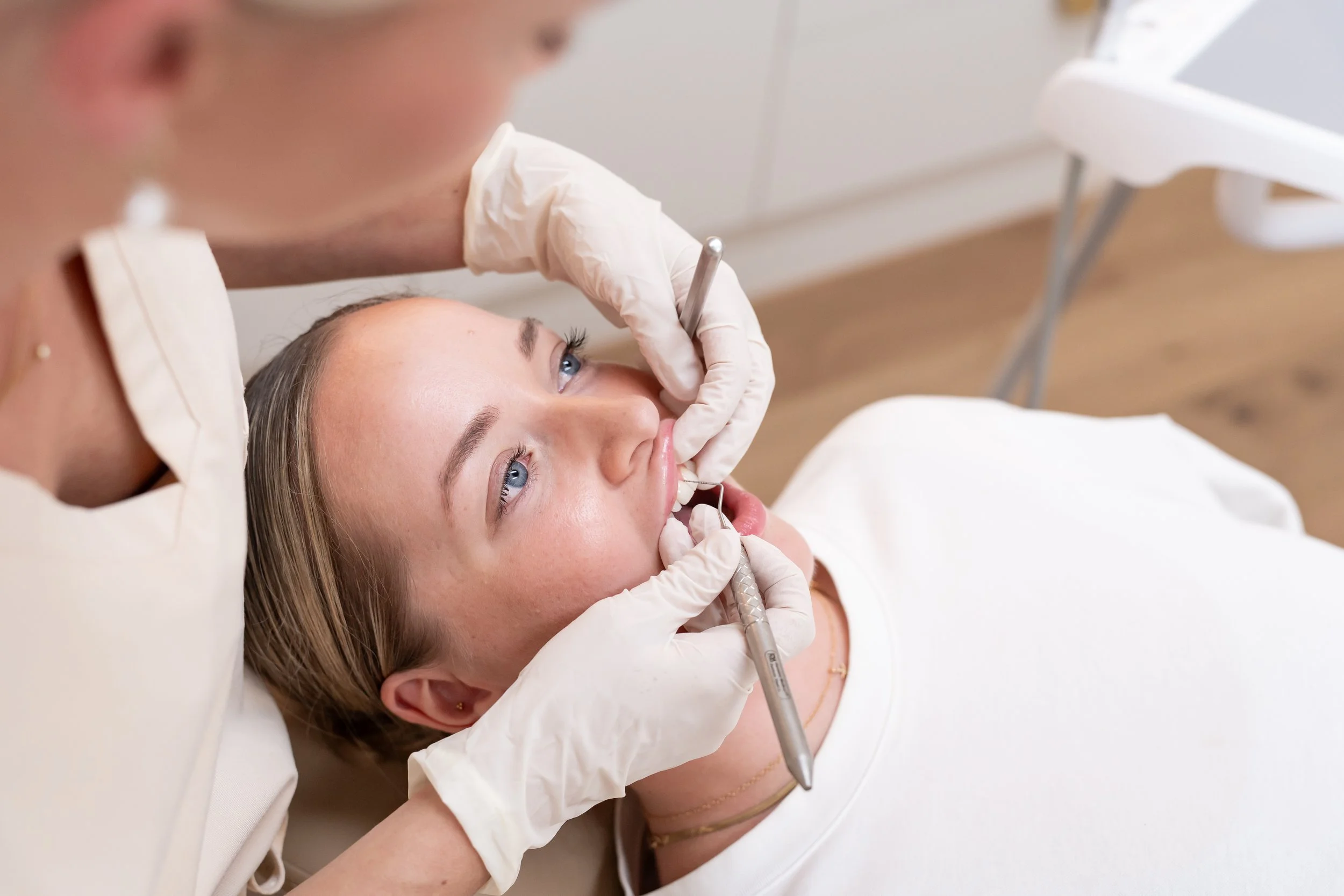
How I Explain Gum Disease to My Patients
When patients come in for a hygiene appointment, one of the most important things we talk about is gum health.
But the words we use in dentistry — plaque, inflammation, gum pockets, periodontal disease — can sometimes feel confusing or overwhelming.
So I like to explain gum disease in a very simple way.
Because once you understand what’s happening, it becomes much easier to know what to do next.
It all starts with plaque
Plaque is a sticky layer of bacteria that forms on your teeth every day.
Your toothbrush removes a lot of it, but it can easily build up along the gum line and between the teeth — especially in areas that are difficult to reach.
When plaque sits there for too long, your body reacts.
Your immune system sees the bacteria and responds with inflammation.
That’s when the early signs begin.
The first stage: gingivitis
This early stage of gum disease is called gingivitis.
The most common signs are:
bleeding when brushing or flossing
red or swollen gums
tenderness along the gum line
At this stage, the damage is still reversible.
With proper cleaning, improved home care, and professional hygiene treatment, the gums can return to a healthy state.
What happens if it progresses
If plaque isn’t removed, it begins to harden into calculus (tartar).
This build-up allows bacteria to sit even closer to the gum tissue.
Over time, the inflammation starts to affect the structures that support your teeth.
This is when gum disease progresses into periodontal disease.
At this stage we may start to see:
deeper gum pockets
gum recession
bone loss around the teeth
teeth becoming slightly mobile
This is why early detection is so important.
Why gum disease matters for more than just your mouth
Gum disease isn’t only about your teeth.
Active gum disease has been linked with increased risk of conditions such as:
heart disease
stroke
diabetes complications
This is because inflammation in the mouth can contribute to inflammation throughout the body.
Taking care of your gums is an important part of taking care of your overall health.
The good news
The earlier gum disease is identified, the easier it is to manage.
With the right treatment plan and simple daily habits, most people can stabilise their gum health and prevent further progression.
Small, consistent actions make a big difference.
How I help patients understand their gum health
During your hygiene appointment at Floss, we take the time to look closely at your gum health.
This includes:
measuring gum pockets
assessing bleeding and inflammation
checking for gum recession and mobility
identifying areas where plaque is building up
From there, we create a personalised plan to help restore and maintain healthy gums.
Because when you understand what’s happening in your mouth, you feel more confident taking care of it.
Want to hear how I explain this in clinic?
Watch my short video where I walk through gum disease step-by-step.
Ready to check your gum health?
If it’s been a while since your last hygiene appointment, now is a great time to check in on your gum health.
Professional cleaning removes plaque and calculus that brushing and flossing can’t reach, and it gives us the opportunity to catch any early signs of gum disease.
You can book your hygiene appointment below.